
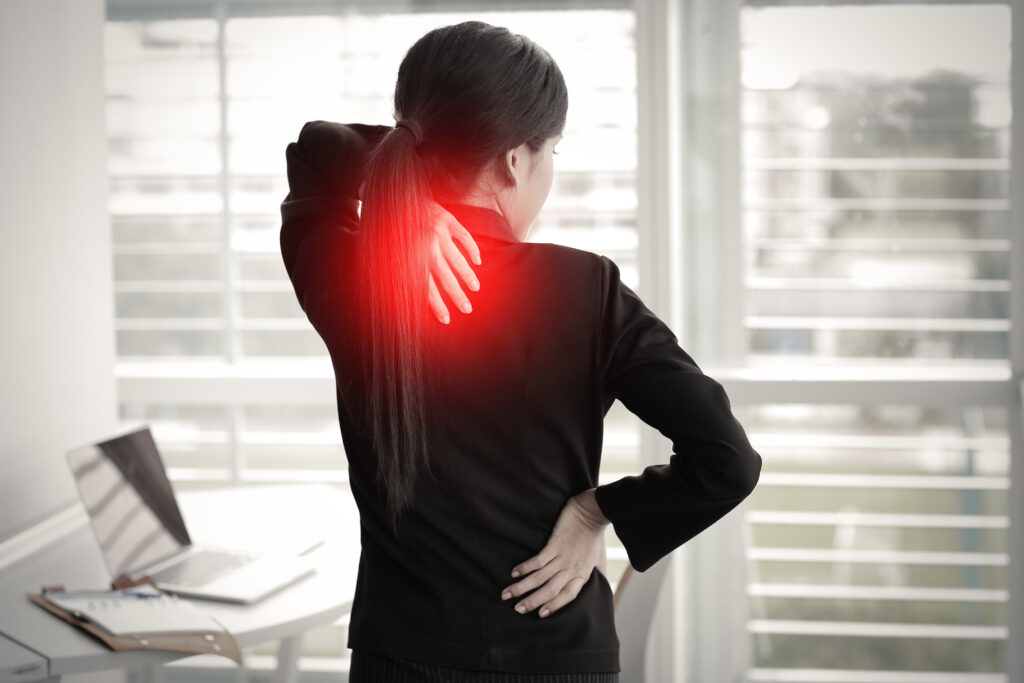
If you are a New Yorker navigating the daily grind, consulting a back pain doctor in NYC may become necessary after years of enduring the “Subway Slump.” The rhythmic jolts of the L train and the cramped seating of buses like the M15 do more than slow your commute they place continuous stress on your spine. Over time, this strain can lead to chronic back and neck pain. Addressing the unique physical demands of urban commuting is essential for maintaining a healthy spine and preventing long-term musculoskeletal issues.
Understanding Spinal Biomechanics with a Back Pain Doctor NYC Specialist
Treating commuting-related back and neck pain begins with understanding the forces placed on the spine during daily transit. A qualified back pain physician evaluates more than symptoms alone. They assess how repetitive movement, posture, balance demands, and load distribution affect spinal structures over time.
The Subway Sway and Why You Need a Back Pain Doctor NYC Evaluation
When a subway car accelerates or brakes, the body is exposed to shearing forces. These horizontal forces cause spinal segments to shift slightly. If you are standing without support or gripping a pole with one arm raised, the spine acts like a cantilever. This position places excessive stress on the facet joints and surrounding tissues.
The Tech Neck Epidemic
Constantly looking down at phones during long subway and bus rides has led to a sharp rise in what healthcare professionals refer to as “tech neck.” This posture places excessive strain on the cervical spine, shoulders, and upper back, often resulting in stiffness, tension headaches, and chronic neck pain. While commuting environments are crowded and unpredictable, incorporating simple posture resets can significantly reduce spinal stress and help counteract the effects of prolonged screen use.
The Pelvic Tuck
When standing on a moving train, gently tucking your tailbone under helps stabilize your pelvis and flatten excessive curvature in the lower back. This subtle adjustment engages your core muscles, improves balance, and protects the lumbar spine from repeated jolts and sudden stops. Over time, maintaining better pelvic alignment can reduce lower back fatigue and improve overall posture.
The Chest Opener
Heavy bags and long periods of sitting often cause the shoulders to round forward, creating a slouched posture that strains the neck and upper spine. Clasping your hands behind your back and gently drawing your shoulders down and back opens the chest and encourages proper spinal alignment. This movement helps reverse the hunched position commonly seen in commuters and improves breathing efficiency by allowing the rib cage to expand fully.
The Seated Hip Stretch
When seated, crossing one ankle over the opposite knee and leaning forward with a straight back provides a deep stretch to the hip and glute muscles. Tight hips are a common but overlooked contributor to lower back pain and sciatic symptoms. Performing this stretch during your commute helps relieve muscle tension, supports healthy pelvic alignment, and reduces discomfort that can travel down the legs.
2. Proactive Ergonomics: Your Mobile Defense System
You cannot change the height of the subway poles or the firmness of a bus seat, but you can apply ergonomic advice to your own movement patterns.
The Backpack “Gold Standard”
If you are commuting from Queens or the Bronx, your bag is likely your biggest enemy.
-
The Symmetrical Load: Always utilize both shoulder straps. Wearing a bag on one shoulder causes the spine to curve laterally, leading to a functional scoliosis that strains the muscles on the opposite side of the weight.
-
The Waist Strap: If your bag has one, use it. It transfers the weight from your delicate cervical and thoracic spine down to your sturdy pelvic girdle.
The Footwear Foundation
Furthermore, it is important to remember that NYC is a walking city. Walking on concrete provides zero give or shock absorption. If you wear thin-soled dress shoes during your trek, your lumbar spine absorbs every ounce of impact.
-
The Commuter Switch: Wear high-quality athletic sneakers with arch support for the journey. Subsequently, you can change into your professional footwear once you reach your desk.
3. Physical Therapy for Commuters Brooklyn Stretches and Stealth Relief
In addition to ergonomic changes, you can perform subtle movements often called physical therapy for commuters Brooklyn-style right in a crowded car. These movements are designed to decompress the spine even when space is limited.
-
The Pelvic Tuck: While standing, slightly tuck your tailbone in. As a result, this flattens your lower back and protects your spine from the bumpy movements of the train.
-
The Chest Opener: Clasp your hands behind your back and gently pull your shoulders down. By doing this, you open up your chest and fix the slumped posture caused by carrying heavy bags.
-
The Seated Hip Stretch: If you find a seat, cross one ankle over the opposite knee. Then, lean forward with a straight back to stretch your hip muscles and prevent leg pain or sciatica.
4. When to See a Back Pain Doctor NYC Specialist
While stretches and ergonomics are powerful preventative tools, they cannot fix structural damage. Chronic pain is the body’s alarm system. If you are searching for how to fix subway neck pain and finding no relief, professional intervention is necessary.
Clinical Warning Signs:
-
Radiating Pain: Pain that travels down the arm into the fingers or down the leg into the toes.
-
Muscle Weakness: A sudden inability to grip items or a heavy feeling in the legs.
-
Chronic Stiffness: If you spend more than 30 minutes every morning limbering up just to move normally.
-
Nocturnal Pain: Pain that wakes you up at night, regardless of your sleeping position.
A specialized back pain doctor NYC clinic can offer a range of treatments from manual spinal adjustments and trigger point therapy to advanced regenerative medicine that helps repair worn-down discs.
Conclusion: Reclaim Your Commute with a Back Pain Doctor NYC Strategy
At Big Apple Primary Care, we specialize in helping New Yorkers overcome the physical toll of city life. If you are ready to move without discomfort, visit us at bigappleprimarycarenyc.com to schedule your consultation with a premier back pain doctor NYC specialist today.